В чем разница между двигателями V8 и V12? (объяснение) — Все различия
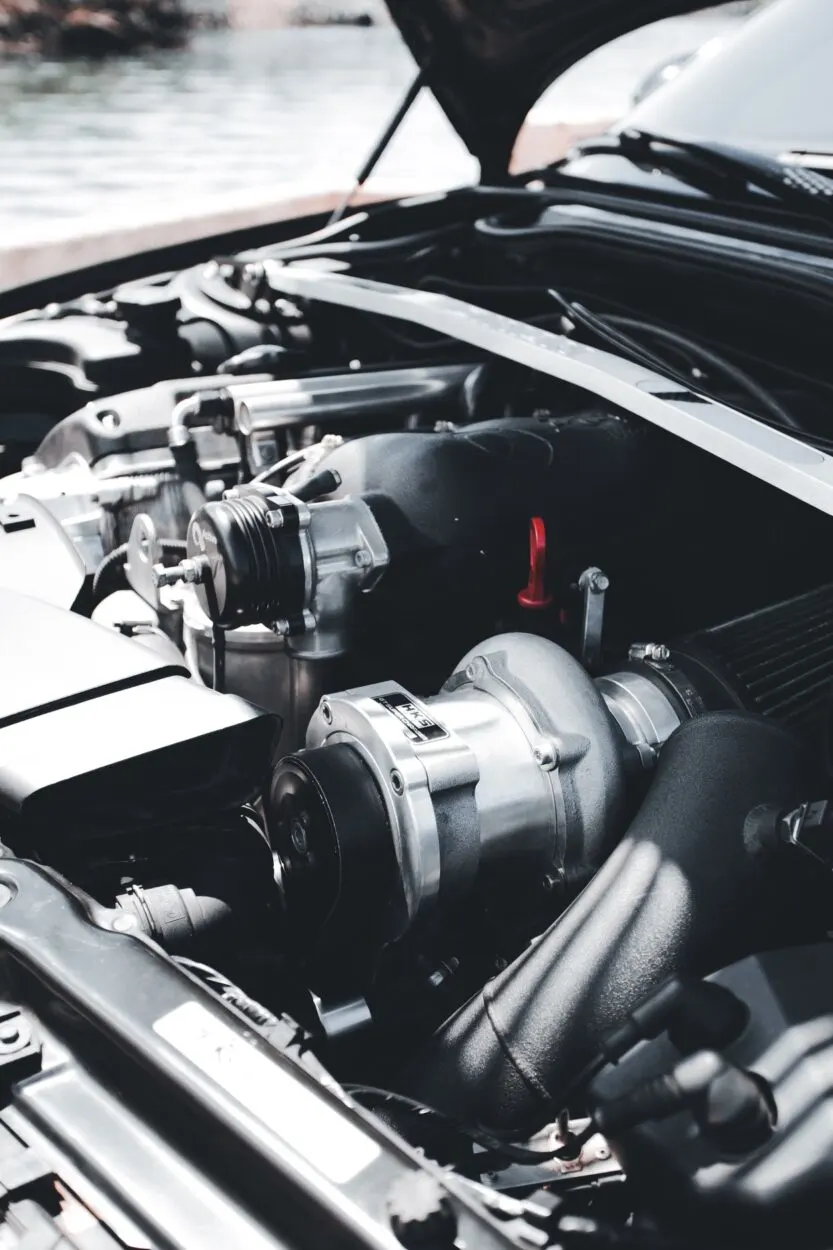

Двигатель V8 — это восьмицилиндровый двигатель, имеющий два блока по четыре цилиндра, расположенных V-образно. Такая конфигурация обеспечивает компактную и легкую конструкцию, а также плавное и сбалансированное распределение мощности.
Двигатели V8 обычно встречаются в высокопроизводительных легковых и грузовых автомобилях и известны своим мощным ускорением и высокой мощностью.
Двигатель V12, с другой стороны, имеет 12 цилиндров, которые также расположены V-образно. Такая конфигурация обеспечивает еще большую мощность и плавность работы, чем двигатель V8, но ценой увеличения веса и сложности.
Двигатели V12 обычно устанавливаются на роскошные и высокопроизводительные автомобили, такие как спортивные автомобили, суперкары и элитные автомобили класса люкс. Они известны своей исключительной мощностью и высокими эксплуатационными характеристиками.
Плюсы и минусы двигателей V8 и V12
Двигатели V8 имеют ряд преимуществ и недостатков. Некоторые из преимуществ двигателей V8 включают:
- Сильное ускорение: Двигатели V8 обладают большой мощностью и крутящим моментом, что делает их отличными для быстрого разгона.
- Высокая мощность : Двигатели V8 известны своей высокой мощностью, что делает их идеальными для высокопроизводительных автомобилей.
- Компактная и легкая конструкция: Благодаря V-образной конфигурации двигатели V8 относительно компактны и легки, что способствует улучшению топливной экономичности и управляемости.
- Широко доступны: Двигатели V8 используются в самых разных автомобилях, поэтому они широко доступны и для них легко найти запасные части.
К минусам двигателей V8 относятся следующие:
- Повышенный расход топлива: Двигатели V8 обычно потребляют больше топлива, чем двигатели меньшего объема, что может стать проблемой для тех, кто хочет сэкономить на бензине.
- Более сложные по сравнению с двигателями меньшего объема: Двигатели V8 имеют более сложную конструкцию, чем двигатели меньшего объема, что делает их ремонт более сложным и дорогим.
- Дополнительные выбросы : Двигатели V8, как правило, производят больше выбросов, чем более компактные двигатели, что может быть проблемой для тех, кто стремится снизить воздействие на окружающую среду.
Двигатели V12 также имеют ряд преимуществ и недостатков.
К числу преимуществ двигателей V12 относятся следующие:
- Исключительная мощность: Двигатели V12 производят больше мощности и крутящего момента, чем двигатели V8, что делает их идеальными для автомобилей с высокими техническими характеристиками.
- Гладкость: Двигатели V12 имеют сбалансированное распределение мощности, что делает их очень плавными и изысканными.
- Высокая производительность: Двигатели V12 обычно устанавливаются на роскошные и высокопроизводительные автомобили, что создает у водителя ощущение роскоши и эксклюзивности.
К минусам двигателей V12 можно отнести следующее:
- Повышенный расход топлива: Двигатели V12, как правило, потребляют больше топлива, чем двигатели V8 или меньшего объема, что может стать проблемой для тех, кто хочет сэкономить на бензине.
- Более сложные по сравнению с двигателями меньшего объема: Двигатели V12 имеют более сложную конструкцию, чем двигатели меньшего объема, что делает их ремонт более сложным и дорогим.
- Дополнительные выбросы : двигатели V12, как правило, производят больше выбросов, чем более компактные двигатели, что может беспокоить тех, кто стремится снизить воздействие на окружающую среду.
- Больший вес и размер: Двигатели V12 больше и тяжелее двигателей V8, что может негативно сказаться на управляемости и экономии топлива.
- Более высокая стоимость: Двигатели V12 дороже в производстве, чем двигатели V8, что может сделать автомобиль, в котором они используются, более дорогим.
Топливная эффективность V12 и V8
Топливная экономичность — одно из главных различий между двигателями V8 и V12. В целом, двигатели V8, как правило, более экономичны, чем двигатели V12, из-за их меньшего размера и меньшего количества цилиндров.
Двигатель V12 имеет больше цилиндров, поэтому ему приходится работать больше, чтобы выработать ту же мощность, что и двигателю V8, что приводит к увеличению расхода топлива. Кроме того, двигатель V12 обычно больше и тяжелее двигателя V8, что также негативно сказывается на эффективности использования топлива.
Что касается конкретных показателей расхода топлива, то они сильно варьируются в зависимости от конкретного двигателя и автомобиля, на котором он установлен. Однако в среднем, двигатель V8 будет потреблять примерно на 10-15% меньше топлива, чем двигатель V12.
Однако стоит отметить, что новые двигатели V12 начинают использовать передовые технологии, такие как непосредственный впрыск, деактивация цилиндров и гибридизация, которые помогают улучшить их топливную эффективность. Эти технологии улучшают не только топливную эффективность V12, но и его выбросы.
В будущем мы можем увидеть, как двигатели V12 будут предпочтительнее двигателей V8 из-за их более совершенных технологий и достижений.
Стоимость двигателей V8 и V12
Стоимость двигателей V8 и V12 может сильно различаться в зависимости от конкретного двигателя и автомобиля, на котором он установлен. Однако в целом двигатели V12, как правило, дороже двигателей V8 из-за их большего размера, дополнительных цилиндров и большей сложности.
Стоимость двигателя V8 может варьироваться от нескольких тысяч долларов за базовый, не производительный двигатель, до десятков тысяч долларов за высокопроизводительный двигатель. Стоимость двигателя V12 может быть значительно выше, цены часто превышают $50,000 или больше для высокопроизводительных двигателей.
Кроме того, автомобили с двигателями V12 обычно дороже, чем автомобили с двигателями V8, из-за более высокой стоимости двигателя и роскошных и высокопроизводительных функций, которые часто включаются в автомобили с двигателями V12. Это может сделать разницу в стоимости между автомобилями V8 и V12 весьма существенной.
Важно знать, что двигатель V8 может иметь различные конфигурации и оснащаться различными технологиями, что может существенно повлиять на его стоимость. Например, двигатель V8 с непосредственным впрыском и турбонаддувом будет стоить дороже, чем двигатель V8 без этих технологий.
Для ежедневных поездок в таких транспортных средствах, как легковые или грузовые автомобили, предпочтительнее покупать автомобили с двигателем V8. Хотя оба автомобиля имеют свои преимущества, автомобили с двигателем V12 больше подходят для роскошного жилья.
Производительность двигателей V8 и V12
Двигатели V8 и V12 известны своей высокой производительностью, но они отличаются тем, как они обеспечивают эту производительность.
Двигатель V8
Двигатели V8 обычно отличаются сильным ускорением и высокой мощностью, что делает их отличными для мощных легковых и грузовых автомобилей. Они также имеют компактную и легкую конструкцию, что помогает улучшить экономию топлива и управляемость.
Многие двигатели V8 оснащаются принудительной индукцией (например, турбонаддувом или наддувом), что позволяет увеличить мощность и крутящий момент. Они также имеют хороший баланс между мощностью и топливной экономичностью.
С другой стороны, двигатели V12 известны своей исключительной мощностью и высокими эксплуатационными характеристиками, что делает их идеальными для роскошных и высокопроизводительных автомобилей. Они обладают плавной и изысканной передачей мощности благодаря сбалансированному распределению мощности между 12 цилиндрами.
Они также имеют тенденцию производить больший крутящий момент, чем двигатели V8, что может обеспечить более легкий разгон. Однако они больше и тяжелее двигателей V8, что может негативно сказаться на управляемости и экономии топлива.
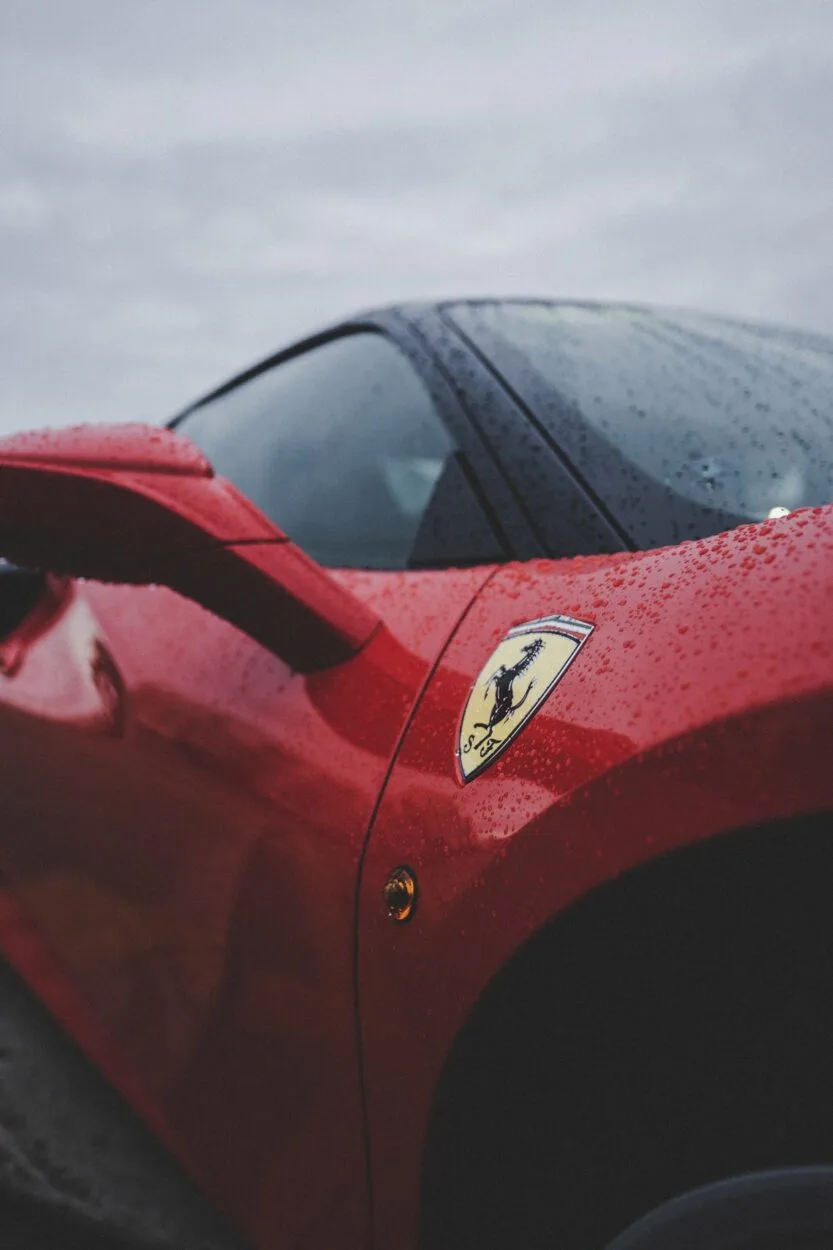
Автомобиль с двигателем V12
В целом, двигатели V8 известны своим мощным ускорением, высокой мощностью и балансом между мощностью и топливной экономичностью, в то время как двигатели V12 известны своей исключительной мощностью, высокими эксплуатационными характеристиками, плавной и изысканной передачей мощности и большим крутящим моментом, чем у двигателей V8. Однако двигатели V12 больше и тяжелее двигателей V8, что может негативно сказаться на управляемости и топливной экономичности.
Популярные автомобили с двигателями V8 и V12
Двигатели V8 обычно встречаются в широком спектре автомобилей, включая высокопроизводительные легковые и грузовые автомобили, спортивные автомобили, мускул-кары, роскошные автомобили и внедорожники. Некоторые популярные автомобили с двигателями V8 включают:
| Ford Mustang | Ford Mustang — это классический американский мускул-кар, который уже несколько десятилетий оснащается двигателями V8. |
| Chevrolet Camaro | Chevrolet Camaro — это еще один классический американский мускул-кар с двигателем V8. |
| Dodge Challenger | Dodge Challenger — это мускул-кар, который оснащается рядом двигателей V8, включая мощный двигатель Hellcat. |
| Chevrolet Silverado | Chevrolet Silverado — это полноразмерный пикап, предлагающий ряд вариантов двигателей V8, включая 6,2-литровый V8 мощностью 420 лошадиных сил. |
| Ford F-150 | Ford F-150 — еще один популярный полноразмерный пикап, который предлагается с различными вариантами двигателей V8. |
Автомобили с двигателями V8
Двигатели V12, с другой стороны, обычно устанавливаются на роскошные и высокопроизводительные автомобили, такие как спортивные автомобили, суперкары и роскошные автомобили высшего класса. Некоторые популярные автомобили с двигателями V12 включают:
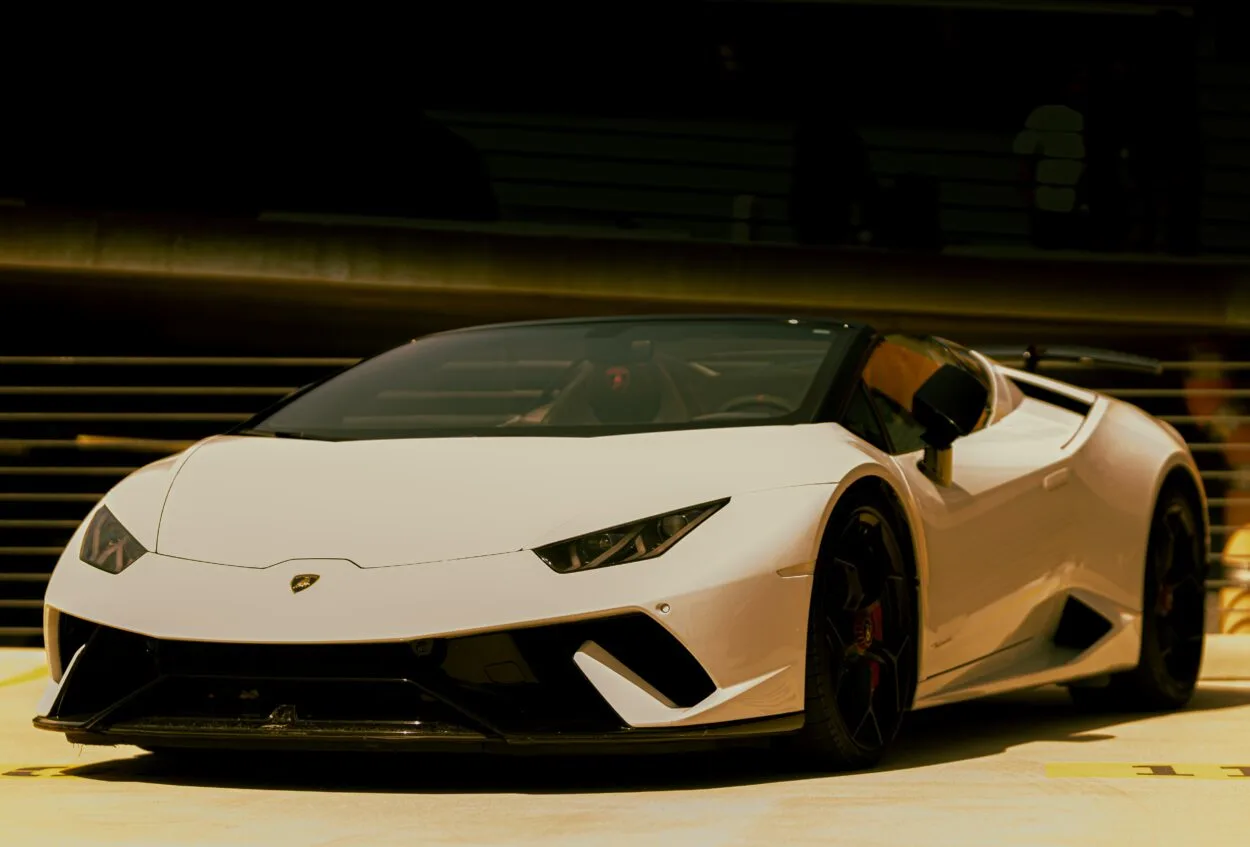
- Ferrari 812 Superfast: Ferrari 812 Superfast — это суперкар, оснащенный двигателем V12 с естественным всасыванием, который производит 789 лошадиных сил.
- Lamborghini Aventador: Lamborghini Aventador — еще один суперкар, оснащенный двигателем V12.
- R olls-Royce Ghost: Rolls-Royce Ghost — это элитный автомобиль класса люкс, оснащенный двигателем V12.
- Mercedes-Benz S65 AMG: Mercedes-Benz S65 AMG — это роскошный автомобиль, который предлагается с двигателем V12.
- B Серия MW 7: BMW 7 серии — это роскошный автомобиль, который предлагается с двигателем V12.
Двигатель V12 Lamborghini Aventador
Приятно знать, что многие производители автомобилей класса люкс, такие как Mercedes, BMW и Audi, постепенно отказываются от двигателей V12 в пользу меньших, более эффективных двигателей V8 и V6 или гибридных силовых агрегатов.
Часто задаваемые вопросы
В чем разница между двигателями V8 и V12?
Двигатель V8 — это восьмицилиндровый двигатель, который имеет два блока по четыре цилиндра, расположенных V-образно. Машина V12, с другой стороны, имеет 12 цилиндров, которые также расположены V-образно.
Двигатели V8 известны своим мощным ускорением, высокой мощностью и балансом между мощностью и топливной экономичностью, а двигатели V12 известны своей исключительной мощностью, высокими эксплуатационными характеристиками, плавной подачей мощности и большим крутящим моментом, чем у двигателей V8.
Что мощнее — двигатель V8 или V12?
Двигатели V12 обычно мощнее двигателей V8 за счет дополнительных цилиндров и большего рабочего объема. Однако удельная мощность двигателя зависит от многих факторов, таких как размер двигателя, степень сжатия и используемая технология.
Что лучше с точки зрения топливной экономичности — двигатель V8 или V12?
Двигатели V8, как правило, более экономичны, чем двигатели V12, благодаря меньшим размерам и меньшему количеству цилиндров.
Двигатели V12 имеют большее количество цилиндров, поэтому для получения той же мощности, что и двигатель V8, им приходится работать больше, что приводит к увеличению расхода топлива.
Заключение
- В заключение следует отметить, что V8 и V12 — это высокопроизводительные двигатели с различными преимуществами и недостатками.
- Двигатели V8 известны своим мощным ускорением, высокой мощностью и балансом между мощностью и топливной экономичностью.
- Двигатели V8 обычно встречаются в высокопроизводительных легковых и грузовых автомобилях, спортивных автомобилях, мускул-карах, автомобилях класса люкс и внедорожниках.
- Двигатели V12, с другой стороны, известны своей исключительной мощностью и высокими эксплуатационными характеристиками, плавной и изысканной передачей мощности, а также большим крутящим моментом, чем у двигателей V8.
- Они обычно встречаются в роскошных и высокопроизводительных автомобилях, таких как спортивные автомобили, суперкары и элитные автомобили класса люкс.
- Двигатели V8 и V12 имеют свои уникальные характеристики и подходят для различных типов автомобилей и предпочтений водителя.
- При выборе между двигателем V8 и V12 важно учитывать такие факторы, как эффективность использования топлива, стоимость и производительность.
Другие статьи:
- ← Беллиссимо или Белиссимо (что правильнее?) — все различия
- Warhammer и Warhammer 40K (разница объяснена) — Все различия →
Mary Davis
Мэри Дэвис — писатель, создатель контента и заядлый исследователь, специализирующийся на сравнительном анализе по различным темам. Имея степень в области журналистики и более пяти лет опыта работы в этой области, Мэри страстно любит предоставлять беспристрастную и прямую информацию своим читателям. Ее любовь к письму началась, когда она была молода, и стала движущей силой ее успешной писательской карьеры. Способность Мэри проводить исследования и представлять результаты в простом для понимания и увлекательном формате привлекла к ней внимание читателей во всем мире. Когда она не пишет, Мэри любит путешествовать, читать и проводить время с семьей и друзьями.
Похожие Сообщения
- INTJ Door slam vs. INFJ Door slam — все различия 30-09-2023
- В чем разница между жеребцом и дайком? (Ответ) — Все различия 02-06-2023
- Покемон Белый против Покемон Черного? (Объяснение) — Все различия 03-06-2023
- Сэнсэй VS Шишоу: тщательное объяснение — все различия 23-10-2023
- PTO VS PPTO в Walmart: понимание политики — все различия 30-09-2023
V8 vs V12: Which Is Faster?
Many car enthusiasts appreciate fast acceleration in a vehicle. This in turn can lead them to wonder whether a V8 or V12 will produce greater acceleration.
V8 and V12 engines are different kinds of engines that primarily differ on the number of cylinders they have, with the V8 incorporating 8 cylinders and the V12 utilizing 12 cylinders. While in general V12 engines are more powerful than V8 engines, there are many factors affecting acceleration, and which one results in faster acceleration comes down to individual engines and vehicle specifics, rather than engine categories as a whole.

A wide variety of factors affect the acceleration of a vehicle. It’s not a simple case of saying one engine is always faster than another.
What is a V8 engine?
A V8 is an engine with a V-shaped cylinder block and eight cylinders. There are different kinds of V8 engines, such as the flatplane V8 engine and crossplane V8 engine which is the most common V8 engine in cars.
The crossplane engine has a secondary engine balance and operates more smoothly. The flatplane engine is lighter and can be revved more easily than a crossplane engine but it has a secondary engine imbalance which results in more vibration than the crossplane engine.
V8 engines are smaller than V12 engines, making them a more efficient choice when space in a vehicle is limited. V8 engines also offer better fuel economy over V12 engines as they consume less gas due to having fewer cylinders than a V12.
What is a V12 engine?
A V12 is a V-shaped engine with 12 cylinders mounted on a crankcase in two sets of six. V12 engines have a primary and secondary engine balance which does away with the need for balance shafts to reduce vibration.
In general, V12 engines are more powerful as more cylinders allow for more displacement, which in turn generates more power. An increased number of cylinders allows for the cylinders to be smaller, which increases the rev limit they can provide.
A V12 engine will tend to cost more money than a V8 as it has more components to it. It can often be heavier too (though this depends on what materials the engines are made from), so all else being equal, a V8 would offer a better power-to-weight ratio.
Other factors affecting speed
When it comes to how quickly a car can accelerate, it’s not just the type of engine that affects acceleration. Many factors affect how fast a car is, including torque, what quality of fuel it uses, the degree of traction provided by the tires, the car’s aerodynamics, and the vehicle weight.
It’s possible for V8 engines and V12 engines to produce the same amount of horsepower but also possible for either type of engine to produce more or less power than the other depending on how it’s made.
If a V8 and a V12 both produced the same amount of horsepower but the V8 weighed less and allowed for a lighter car (as the car doesn’t have to support as much engine weight), the car with the V8 would accelerate faster compared to a heavier car with a heavier V12 engine. Of course, this doesn’t take into account a variety of other factors affecting acceleration.
Torque refers to the amount of rotational force produced by an engine (and is sometimes referred to as the engine’s pulling power). Horsepower on the other hand refers to the speed at which that force is delivered.
In general, cars with greater torque are faster than cars with less torque. However, maximum torque is created across a particular rev band (the exception being electric motors). For maximum performance across the entire range of revs, the engine needs to produce maximum torque in the low rev range. Subsequently, power should take a more prominent role in higher rev ranges.
This enables the car to accelerate quickly from low to mid rev ranges, as greater torque in the lower ranges allows for faster acceleration. Electric motors enable fast acceleration because they create all of their torque at 0rpm.
Brake horsepower (bhp) is an engine’s useful available power once the amount lost to friction in mechanical parts has been accounted for. Horsepower is a measurement of an engine’s power output and in general, the more horsepower a car has, the faster it will accelerate.
Some vehicles produce high torque but low power and vice-versa. Ideally for maximum performance and quick acceleration, the vehicle should provide high power and high torque.
Additionally, engines can be turbocharged or supercharged to create more power and torque to aid in acceleration.
V8 Vs. V12 What’s the difference and which one is better?


What is better about a V8 engine than a V12 engine? Or is it just the opposite? I’ve been looking for the answer to this question online, but I haven’t been able to find anything. So, I decided to look into it myself and tell you what I found.
A V8 engine is an engine with 8 cylinders in a V shape, while a V12 engine is 12 cylinders engine arranged in a V shape. Since V12 has more cylinders than V8, it has more power strokes in a given time period.
Which Is Better, V8 Or V12?
Both the V8 engine and the V12 engine have pros and cons, so it would be unfair to say that one is better than the other. For example, a typical V8 engine uses less gas than a typical V12 engine. A V12 engine, on the other hand, will be able to make more power than a V8 engine. With the technology we have now, engineers are making a lot of new engines that make the most of their strengths and minimize their weaknesses.
What’s a V8 Engine?
A V8 engine is an eight-cylinder engine in the shape of a V. The cylinders are mounted on the crankcase in two sets of four, and they all turn the same crankshaft. A crankcase is a place for a crankshaft to live.
The crankshaft is a piece of machinery that helps the engine turn and moves the cylinders. I found a great video that shows exactly how a V8 engine works so I could learn more about how it works. If all the bad advice out there has made you confused in the past, this short video will help clear up a lot of your questions.
Most often used V8 Engine.
The most common V8 engine on the market today is the V8 crossplane engine. This engine rarely have a displacement of less than 3.0 L, and some commercial cars have had more than 8.2 L. Now, there are a lot of differences between cars from different brands. I could probably spend days just analyzing and talking about the different pros and cons of each V8 engine.
Also Read: Car Shutting Off While Driving: 9 Reasons and Fixes
So, I just gave you a general idea of what the average V8 engine on the market is like. This will help you get a better idea of how strong and powerful V8 engines are.
Cross Plane Crank v8 vs. Flat Plane Crank v8 (Types of V8)

The V8 engine is considered compact in size.
Compared to V12, and even smaller in length than an inline 6-cylinder engine.
It doesn’t take up much room. When engineers make cool engines, they have to think about how big they are. Usually, an eight-cylinder engine is very long and takes up a lot of space along its length.
When it comes to making an engine, every inch counts. If engineers decide to make engines bigger, they have to give up some of the engine’s other good points.
Also Read: Knocking Sound From Engine: Causes and Solutions
Sleek Design
This goes along with the first point: if the size of your engine is efficient, then your design will follow the same rules.
Great Balance Between Size and Power
Depending on what type of V8 engine you get (yes, there are different kinds of V8 engines), the power output and how well it works may be different.
What are the disadvantages of a V8 engine?
These engines weigh a lot.
Most V8 engines weigh between 400 and 600 pounds, with many engines in the 600-pound range.
More moving parts
There are more moving parts than in a V6 or V4 engine with fewer cylinders because there are two sets of cylinders on the crankcase. More parts mean more mechanical faults, more required service, and, most important, more costs.
More Expensive
Since the V8 engine has more parts and is more complicated, it will cost a lot more to buy and maintain.
Large packages and many restrictions
Even though the engine is quite small in size, its capacity can still be pretty large. Because of this, these engines are normally only available for rear-wheel drive (RWD)e or all-wheel drive (AWD) automobiles. But this hasn’t stopped people from making changes to the V8 engine’s size and how it’s used.
How does a V12 engine work?

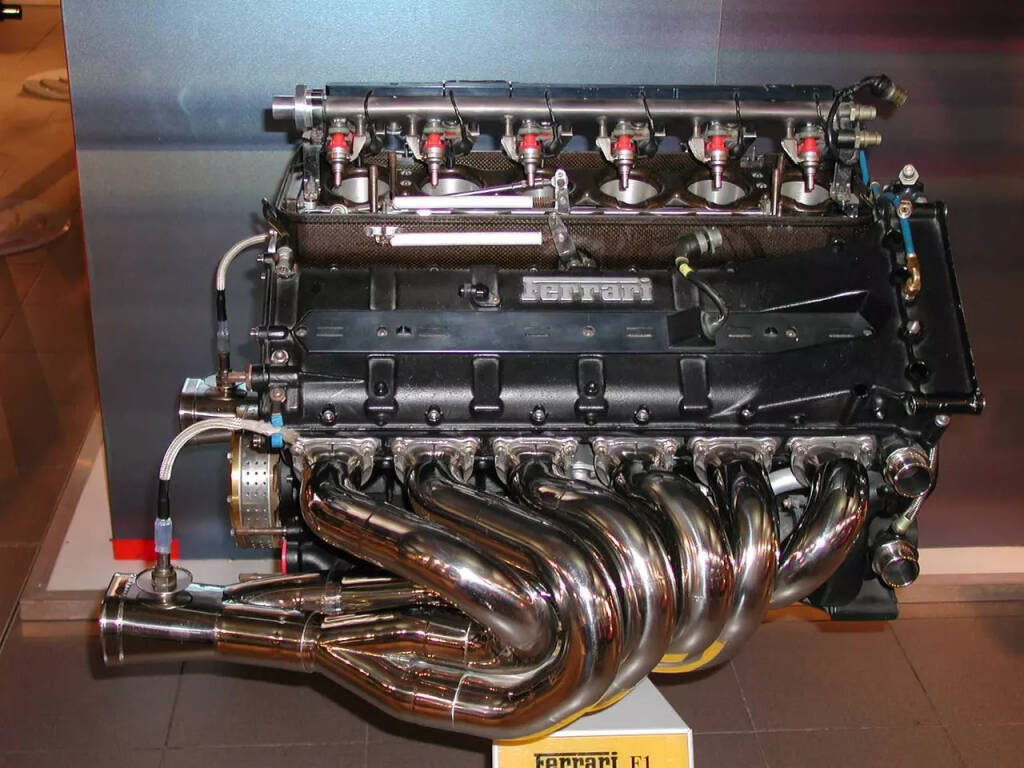
A V12 engine is a twelve-cylinder engine in the shape of a V. There are two sets of six cylinders on the crankcase, and all twelve cylinders work the same crankshaft. The V12 engine has a natural primary and secondary balance, so balance shafts are unnecessary (extra weight to offset any imbalances due to the cranks).
What is the advantage of a V12 engine over a V8 engine?
Most of the time, more cylinders mean more power.
Why pick a V12 engine to begin with? Well, you get more displacement with more cylinders. When your engine makes more displacement, it makes more power. If you build a V8 engine with the same specs as a V12 engine, the cylinders will be very big and long. This will reduce the engine’s capacity and make it more powerful as a whole.
Also Read: Causes Of Engine Overheating And Their Solutions
Most race cars have lighter engines.
With the help of the primary engine and the secondary engine, the rotating parts are lighter, smaller, and have a shorter stroke. Putting these three things together is the best way to make a fast and powerful car.
Fewer Vibrations
The exhaust systems of V8 engines are complicated and go all the way around the car. This could be the cause of vibrations in your car. If the crank is a flat plane, the engine is more likely to make vibrations that aren’t good.
What are the disadvantages of a V12?
More Complexity
MechanicTimes.com is a participant in the Amazon Services LLC Associates Program, an affiliate advertising program designed to provide a means for website owners to earn advertising fees by advertising and linking to Amazon.com.
Subscribe to our newsletter!
Get the Latest Posts in your Inbox.
V8 Vs V12: What’s the difference and which one is better?

When diving into the captivating world of car engines, two powerhouses stand out for their historical significance and engineering feats: the V8 and V12. Each has its unique charm and set of characteristics, and for the automotive enthusiast, understanding these engines is akin to an art historian appreciating a masterpiece.
Historical Background
The V8 engine had its inception in the early 20th century. Cadillac, in 1914, introduced the first mass-produced V8 engine. This powerhouse quickly became synonymous with American automaking, symbolizing raw power and performance.
The V12, on the other hand, is a European original with its roots in the aviation and racing industries. Debuted in the 1920s, it was manufacturers like Packard, Lincoln, and Rolls-Royce who embraced the design, realizing its incredible smoothness and potential for high power.
While the V8 was gaining traction in passenger cars and trucks across America, the V12 was being fit into luxury cars, race cars, and even aircraft due to its performance characteristics.
Basic Design and Configuration
The engine’s configuration, especially the “V” design, plays a crucial role in defining its overall performance, size, and functionality. The term “V” denotes the unique arrangement of the cylinders. When viewed from the end, the cylinders’ layout roughly resembles the letter V, with two banks of cylinders angled away from one another.
The V Formation Explained: Why the V Shape?
The primary reason for adopting the “V” configuration is a blend of efficiency and compactness. Engines with a straight or inline configuration are elongated and can be challenging to fit into many modern car designs, especially as vehicles aim to be sleeker and more aerodynamic. In contrast, the “V” configuration reduces the engine’s length significantly. By placing cylinders in two banks angled to each other, manufacturers can fit more cylinders into a smaller space without sacrificing the size or volume of individual cylinders.
The angle between the two banks of cylinders in a V-configured engine can vary based on design goals. This angle affects various factors, including engine balance, size, and the complexity of the valve and intake manifold designs. Engine designers tweak this angle to optimize performance, reduce vibration, and fit specific vehicle design parameters.
The Number of Cylinders: 8 versus 12 and What it Means
The cylinder count in an engine is akin to the number of musicians in an orchestra: more can lead to a richer, more harmonious performance. Engines with more cylinders can generally produce more power strokes in a single revolution, leading to a smoother power delivery. This is why, typically, a V12 will run smoother than a V8. With every revolution of the engine, a V12 has more mini-explosions (power strokes) happening, ensuring that power delivery remains nearly constant, which leads to smoother acceleration and less perceivable lag.
However, increasing the number of cylinders doesn’t just enhance smoothness; it can also increase power and torque. By having more cylinders, the engine can displace a larger volume of air and fuel in one cycle, leading to more potent combustion and, consequently, more power. But, with the addition of more cylinders comes added complexity, weight, and potential maintenance challenges.
V8 Engines: Overview and Features

At the heart of many iconic vehicles, the V8 engine stands as a symbol of both raw power and engineering prowess. Its unique blend of performance, size, and sound has made it a favorite among automotive enthusiasts for over a century. To understand the V8’s appeal, one must delve deeper into its intricacies and features.
The Anatomy of a V8
The V8 engine, as its name suggests, consists of eight cylinders arranged in a V-shaped configuration, with four cylinders on each bank. The two banks of cylinders are usually set at a 90-degree angle to each other, although this can vary based on design nuances. The V8’s relatively compact design, especially compared to straight or inline engines, has been one of its most notable advantages, allowing it to be fitted into a diverse range of vehicles, from muscle cars to trucks.
Sound and Vibration
One unmistakable characteristic of the V8 is its distinctive rumble. This sound, often associated with power and performance, stems from the engine’s firing sequence and its cylinder arrangement. Additionally, the V8 design offers a good balance, resulting in reduced vibrations. This balance, combined with the right engineering, ensures that the V8 not only sounds good but also feels smooth during operation.
Power and Torque
The V8’s broad power band is one of its standout features. Thanks to its configuration, a V8 can deliver impressive torque at low RPMs, ensuring powerful acceleration right off the line. As the RPMs rise, the V8 continues to deliver, ensuring robust performance across a wide range.
Pros:
- Compact Design: Despite its power, the V8’s design allows it to be relatively compact, making it suitable for various vehicles.
- Wide Power Band: The V8’s power delivery across a broad range of RPMs ensures consistent performance, whether cruising down the highway or accelerating from a stop.
- Simplicity in Manufacturing: With fewer parts than engines with more cylinders, the V8 can be simpler to produce, translating to cost benefits.
- Versatility: The V8 finds its place in a range of vehicles, from heavy-duty trucks needing torque to sports cars craving horsepower.
Cons:
- Smoothness: While the V8 is balanced, it can’t quite match the buttery smoothness of engines with more cylinders, like the V12.
- Fuel Efficiency: Historically, V8 engines, especially older models or those without modern fuel-saving technologies, may consume more fuel compared to smaller or more advanced engines.
V12 Engines: Overview and Features

The V12 engine, often regarded as the pinnacle of automotive engineering, exudes luxury, power, and unparalleled smoothness. Reserved for the world’s most exquisite and high-performance vehicles, the V12 stands as a testament to the extent of human ingenuity in the realm of automotive design. Delving into its depth, it becomes evident why this engine remains the choice for those seeking the epitome of vehicular excellence.
The Structure of the V12
The V12 is, at its core, a marvel of balance and symmetry. Comprising twelve cylinders arranged in two banks set in a V-configuration, each bank hosts six cylinders. The angle between these banks can vary, but often it’s designed for optimal balance and minimized vibration. This intricate arrangement, while complex, ensures a frequency of firing pulses that offers an exceptionally smooth power delivery.
Refined Power and Serene Operation
The symphony of a V12 at full throttle is a thing of beauty. Unlike other configurations that may produce a raw roar, the V12 sings with a harmonious and refined note, a testament to its balance and even firing order. The sheer number of power strokes per revolution in a V12 engine minimizes gaps in power delivery, reducing vibrations and providing an almost turbine-like smoothness.
Performance Dynamics
When it comes to sheer power and acceleration, the V12 is second to none. With more cylinders contributing to combustion, the engine can generate significant power and torque, especially at higher RPMs. This ensures that vehicles equipped with a V12 can offer both brisk acceleration and high top speeds, making them favorites in the realm of supercars and luxury grand tourers.
Pros:
- Smoothness: The primary allure of the V12 is its unparalleled smooth operation. The frequency of firing pulses ensures there’s always a power stroke in progress, leading to minimal vibration and optimal power delivery.
- Performance: With twelve cylinders at its disposal, the V12 can produce staggering amounts of power and torque, suitable for the world’s fastest and most luxurious vehicles.
- Status Symbol: A V12 under the hood is often seen as a mark of prestige. It speaks of luxury, power, and an uncompromising pursuit of excellence.
- Sound: The harmonious roar of a V12 is distinct and often considered more refined compared to other engine configurations.
Cons:
- Size and Weight: The V12 is undeniably bulkier than its counterparts, which can influence the overall weight and balance of the vehicle.
- Complexity: With a higher number of moving parts, the V12 engine is intricate, which can lead to higher manufacturing, maintenance, and repair costs.
- Fuel Consumption: Given its size and power, the V12 can be thirstier than smaller engines, especially when pushed to its limits.
Performance Comparisons
In the world of high-performance vehicles, the debate between the prowess of V8 and V12 engines is as fervent as ever. Both configurations offer a unique set of performance traits, making them suitable for various driving scenarios and preferences. When assessing performance, it’s essential to consider several metrics, including horsepower, torque, acceleration, and engine response across the RPM range.

Horsepower and Torque
- V8 Engines: Modern V8 engines can produce anywhere from 300 to over 700 horsepower, depending on their size, tuning, and technological additions. The torque produced by these engines is often substantial, especially in the low to mid-RPM range, which provides robust off-the-line acceleration. This makes V8s ideal for applications that require immediate power, like drag racing or heavy-duty towing.
- V12 Engines: V12s, with their additional cylinders, usually sit on the higher end of the power spectrum. These engines can churn out anywhere from 500 to well over 1,000 horsepower in hypercars and specially-tuned vehicles. Thanks to the even firing order and additional cylinders, torque delivery in V12s is smooth and consistent, often producing peak torque across a broader RPM range.